Grow Peanuts Using Scientific Methods for Higher Yield
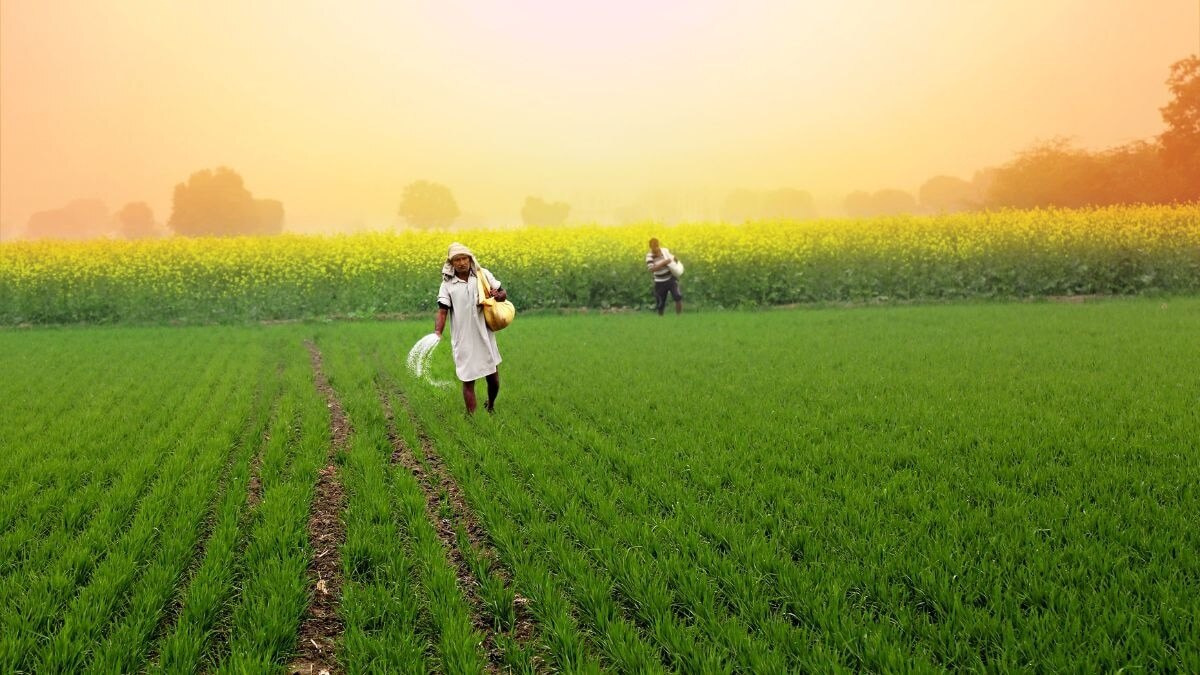
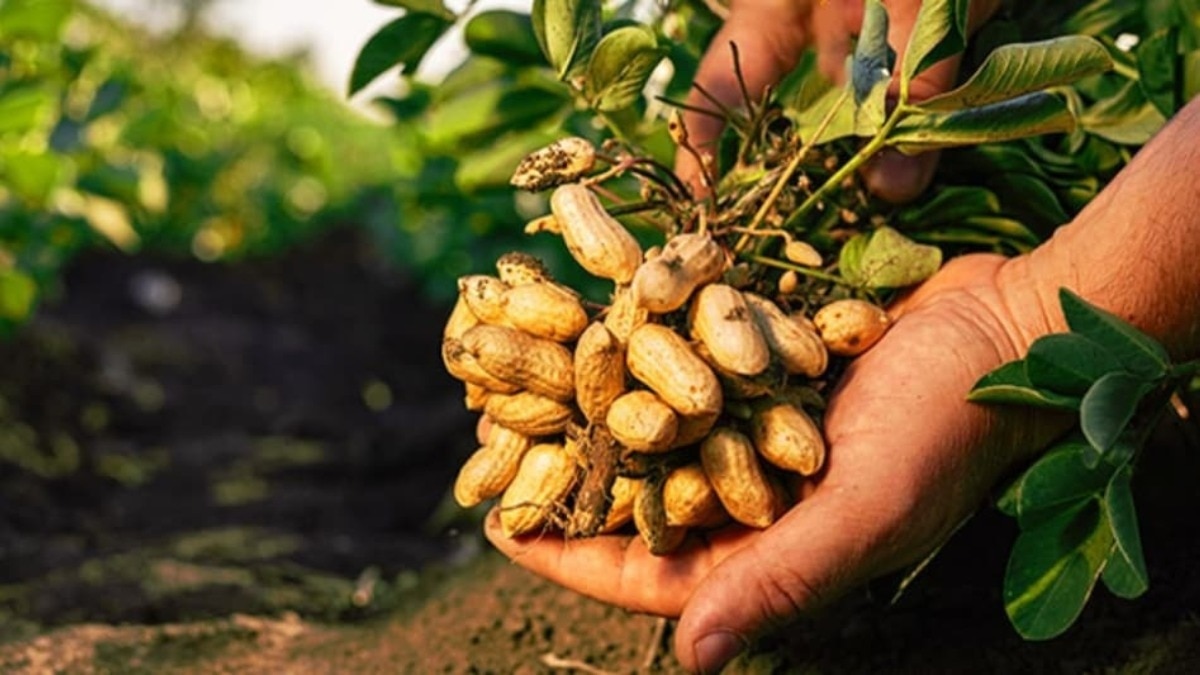
The Kharif season has begun and farmers are busy preparing their fields for new crops. Along with paddy, many farmers are also growing peanuts. To get a good yield of peanuts, farmers should pay attention to certain important things.
Peanut sowing is usually done from mid-June to the first or second week of July. Farmers who sow after the second week of July may get lower production. Experts advise completing peanut sowing by the second week of July for better results.
### Suitable Soil
Peanut grows best in well-drained, light sandy loam or sandy clay loam soil with pH between 5.5 and 7.0. Deep ploughing in summer is recommended to destroy weed seeds and insects.
### Seed Treatment
Use good quality certified seeds. Before sowing, treat the seeds with Carbendazim 37.5% + Thiram 37.5% DS @ 2-3 gram per kg of seed. For protection against termites and white grubs, use Imidacloprid 600 FS @ 6.5 ml per kg of seed. Also treat seeds with Rhizobium and PSB culture.
### Sowing Method
For higher yield, use cross sowing, broad bed and furrow (BBF) or ridge and furrow method. For bunch type varieties, maintain 30 cm x 10 cm spacing with seed rate of 100-110 kg per hectare. For semi-spreading and spreading varieties, use 40-45 cm x 10 cm or 30 cm x 15 cm spacing with seed rate of 100-210 kg per hectare.
### Nutrient Management
Apply 10 tonnes per hectare of well-decomposed farmyard manure 3-4 weeks before sowing. Use recommended doses of nitrogen, phosphorus and potassium based on soil test. To correct calcium and sulphur deficiency, apply 500 kg per hectare of gypsum at the time of sowing.
### Weed Control
It is very important to keep the crop free from weeds during the first 35 days after sowing. Do hand weeding twice at 20-25 days and 35-40 days after sowing. For chemical weed control, use appropriate herbicides as recommended.
### Irrigation and Pest Management
Flowering stage (20-40 DAS), pod formation (40-70 DAS) and pod filling stage (70-100 DAS) are most sensitive to soil moisture. Proper irrigation during these stages is very important. Drip irrigation can increase yield by 25-40% and save 40-50% water.
For major pests like white grubs, tobacco caterpillar, gram pod borer, leaf miner, aphids, jassids and thrips, adopt suitable management practices. Use resistant varieties and proper seed treatment for diseases like collar rot, leaf spot, rust and stem rot.
Following these scientific methods can help farmers achieve significantly higher peanut production.

Peanut sowing is usually done from mid-June to the first or second week of July. Farmers who sow after the second week of July may get lower production. Experts advise completing peanut sowing by the second week of July for better results.
### Suitable Soil
Peanut grows best in well-drained, light sandy loam or sandy clay loam soil with pH between 5.5 and 7.0. Deep ploughing in summer is recommended to destroy weed seeds and insects.
### Seed Treatment
Use good quality certified seeds. Before sowing, treat the seeds with Carbendazim 37.5% + Thiram 37.5% DS @ 2-3 gram per kg of seed. For protection against termites and white grubs, use Imidacloprid 600 FS @ 6.5 ml per kg of seed. Also treat seeds with Rhizobium and PSB culture.
### Sowing Method
For higher yield, use cross sowing, broad bed and furrow (BBF) or ridge and furrow method. For bunch type varieties, maintain 30 cm x 10 cm spacing with seed rate of 100-110 kg per hectare. For semi-spreading and spreading varieties, use 40-45 cm x 10 cm or 30 cm x 15 cm spacing with seed rate of 100-210 kg per hectare.
### Nutrient Management
Apply 10 tonnes per hectare of well-decomposed farmyard manure 3-4 weeks before sowing. Use recommended doses of nitrogen, phosphorus and potassium based on soil test. To correct calcium and sulphur deficiency, apply 500 kg per hectare of gypsum at the time of sowing.
### Weed Control
It is very important to keep the crop free from weeds during the first 35 days after sowing. Do hand weeding twice at 20-25 days and 35-40 days after sowing. For chemical weed control, use appropriate herbicides as recommended.
### Irrigation and Pest Management
Flowering stage (20-40 DAS), pod formation (40-70 DAS) and pod filling stage (70-100 DAS) are most sensitive to soil moisture. Proper irrigation during these stages is very important. Drip irrigation can increase yield by 25-40% and save 40-50% water.
For major pests like white grubs, tobacco caterpillar, gram pod borer, leaf miner, aphids, jassids and thrips, adopt suitable management practices. Use resistant varieties and proper seed treatment for diseases like collar rot, leaf spot, rust and stem rot.
Following these scientific methods can help farmers achieve significantly higher peanut production.