
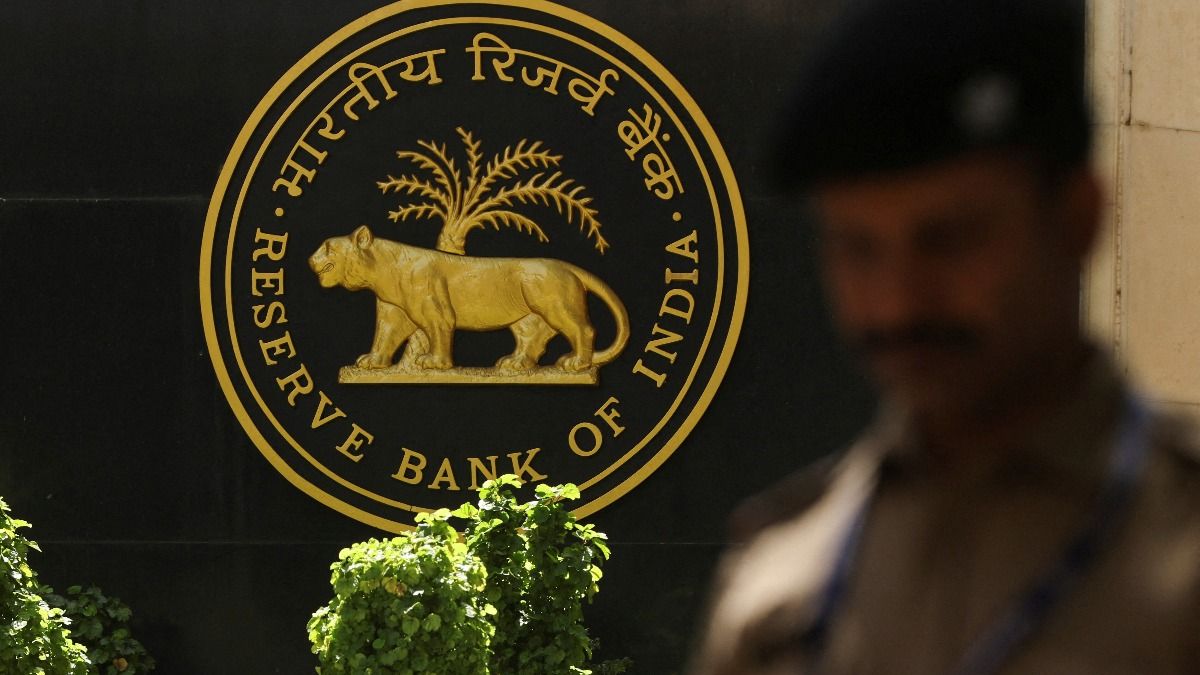
RBI’s Monetary Policy Shift: The Rupee Takes Centre Stage
RBI’s Monetary Policy Shift: The Rupee Takes Centre Stage
The Reserve Bank of India (RBI) has kept the repo rate unchanged at 5.25% for the third consecutive time. On the surface, the Monetary Policy Committee’s (MPC) review on June 5, 2026, appeared status quo. However, a significant shift has taken place beneath the familiar language.
For the first time in this cycle, the Indian Rupee has moved from the periphery to the very centre of monetary policy making.
A Subtle but Important Change
RBI Governor Sanjay Malhotra highlighted vigilance over global uncertainties and their impact on inflation and financial stability. Rising crude oil prices, a record-weak rupee, and sustained foreign capital outflows have fundamentally altered the backdrop.
The Numbers Behind the Pause
- Crude Oil Shock: Brent crude prices have surged by up to 65%, currently hovering around $110 per barrel.
- Rupee Weakness: The rupee has depreciated from around ₹90 to nearly ₹96 against the US dollar — a decline of almost 6% this year.
- Forex Reserves: The RBI has intervened heavily, leading to a drawdown of approximately $33 billion. Reserves now stand at around $690 billion.
- Growth & Inflation Outlook: The MPC revised FY27 GDP growth projection downward to 6.6% and raised the inflation forecast to 5.1%.
Policy Reorientation
Instead of raising rates sharply to defend the currency, the RBI is prioritising growth protection while managing currency stability through forex interventions, encouraging healthy capital flows, and active market operations.
Governor Malhotra indicated that the measures announced would help attract “appropriate and healthy capital flows,” signalling a preference for increasing dollar supply rather than curbing domestic demand through higher borrowing costs.
Why This Approach?
India imports nearly 90% of its crude oil. A weaker rupee amplifies the impact of rising oil prices on imported inflation. The RBI wants to shield the economy from external shocks without choking domestic demand and investment.
While the 4% inflation target remains “sacrosanct,” the central bank acknowledges that inflation is now largely imported, making interest rate policy a relatively blunt tool in the current scenario.
The Big Takeaway
The significance of the June 5 policy lies not in what the RBI did with the repo rate, but in what it is now managing. The rupee has evolved from being a mere outcome of monetary policy to one of its most critical constraints.
In an era where geopolitics is increasingly dictating economic conditions, this quiet but profound shift in policy priorities may prove to be the RBI’s most important signal of 2026.
India’s central bank is walking a tightrope — balancing growth, inflation, and currency stability in a volatile global environment. The rupee is now firmly at the heart of that balancing act.