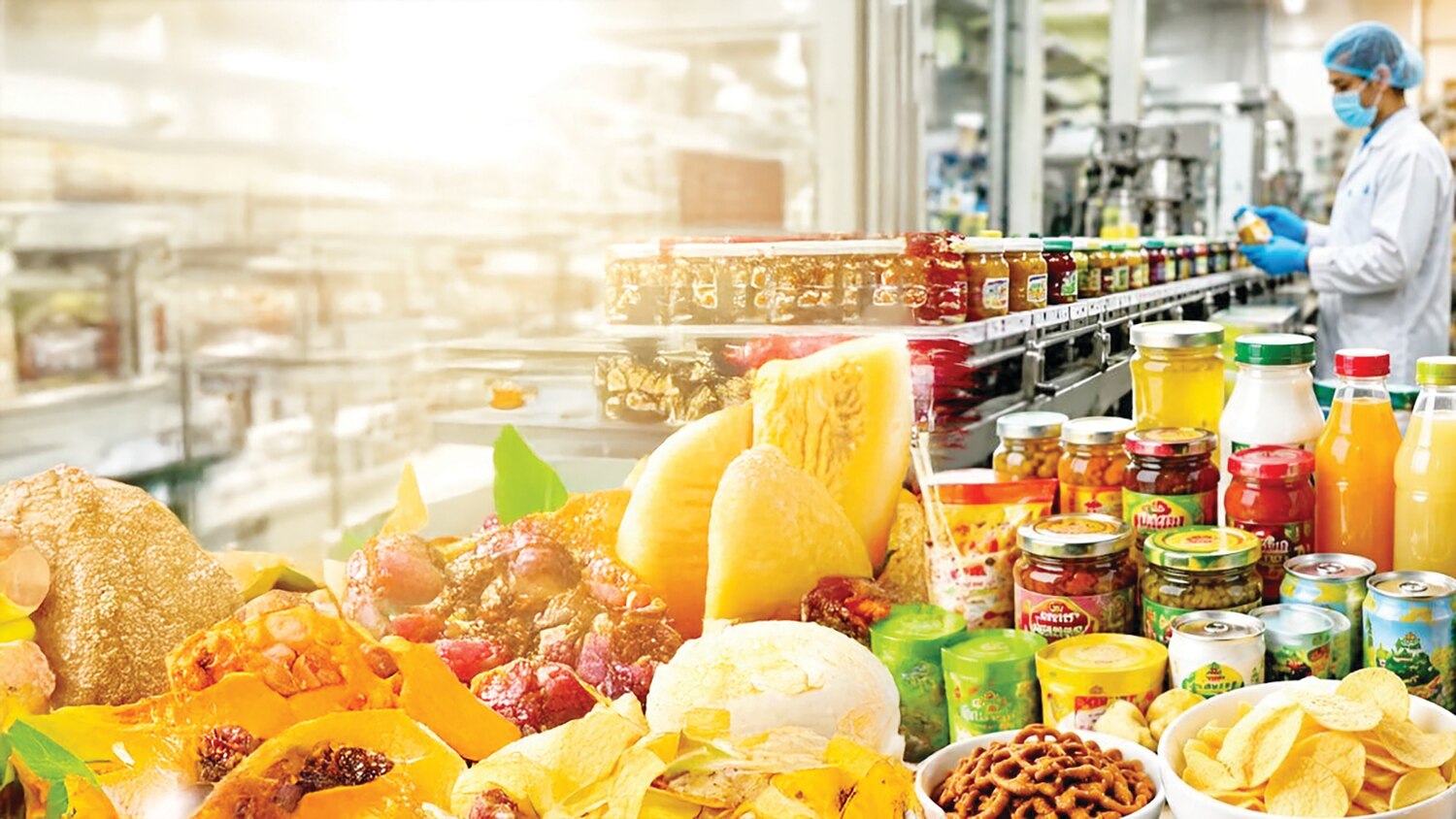
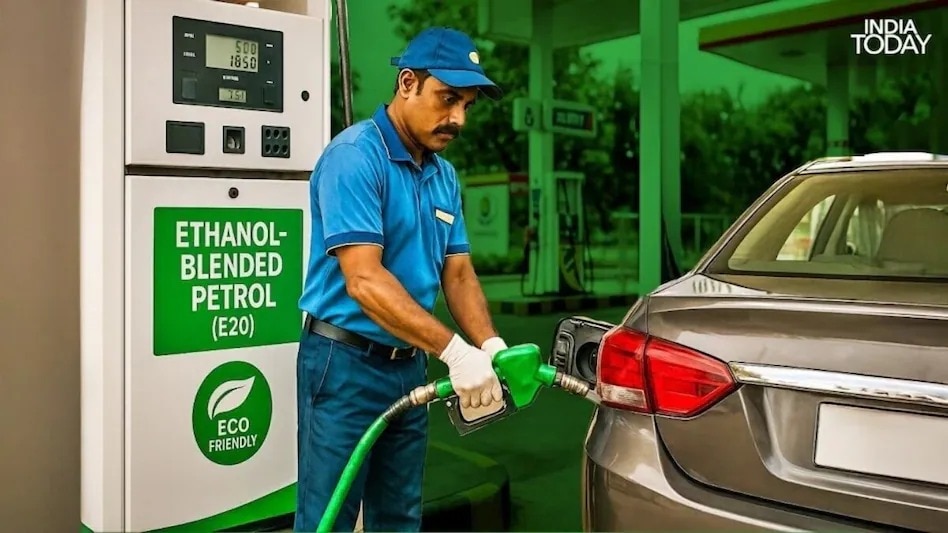
The High Cost of 'Fuel Farms': Food Security vs. Ethanol Blending
### Key Concerns:
* **Land Scarcity:** With average landholding sizes shrinking to 0.96 hectares, prioritizing fuel crops over pulses, oilseeds, and wheat could lead to a severe domestic supply crunch, driving up food prices and increasing dependency on expensive imports.
* **Resource Depletion:** Crops used for 1G ethanol production (sugarcane, maize, rice) are water-intensive. Expanding this on a massive scale risks depleting India's already strained groundwater reserves.
* **The Food vs. Fuel Debate:** The editorial emphasizes that in a developing nation with 1.4 billion people, the hierarchy should remain: Food (Pet), Feed (Pashu), and Fuel (Gaadi). Ignoring this risks turning the pursuit of green energy into a 'suicidal' policy.
### The Proposed Solution:
* **Shift to 2G Technology:** Instead of 1G ethanol (derived directly from grains), the focus must move to 2G ethanol technology, which utilizes agricultural waste and crop residue (stubble/parali).
* **Leveraging Waste:** With 140 million tonnes of surplus agricultural waste produced annually in India—much of which is currently burned—2G technology offers a sustainable pathway that does not compete with human food sources.
### Conclusion:
The author concludes that unless India invests heavily in 2G technology and manages land use scientifically, the current trajectory may lead to economic and social instability. 'Development' should not come at the cost of the common man's plate.