Why is 'Mukhadagni' Mandatory During Hindu Cremation? Spiritual and Cultural Significance Explained
Key Highlights:
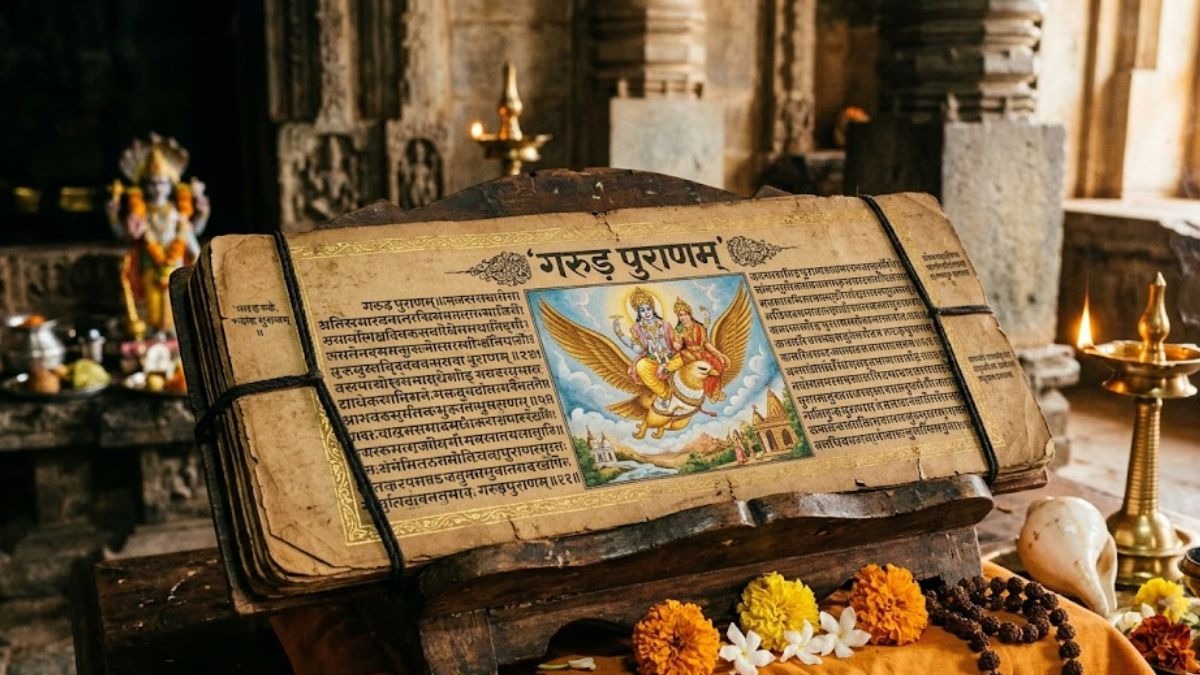
- Liberation from Physical Bonds: According to the Garuda Purana, Mukhadagni symbolizes cutting ties with worldly attachments and freeing the soul from the physical body.
- Gateway of Prana: The mouth is considered the seat of breath and speech; delivering fire to the mouth merges life's remaining energy back into the cosmic fire element.
- Essential Rules: The article also outlines other scriptural norms, such as prohibiting cremation after sunset to avoid negative energies and ensuring the body is constantly attended with prayers.