
Why Does a Son-in-Law Traditionally Not Perform the Last Rites of His Father-in-Law?
Traditional Perspective:
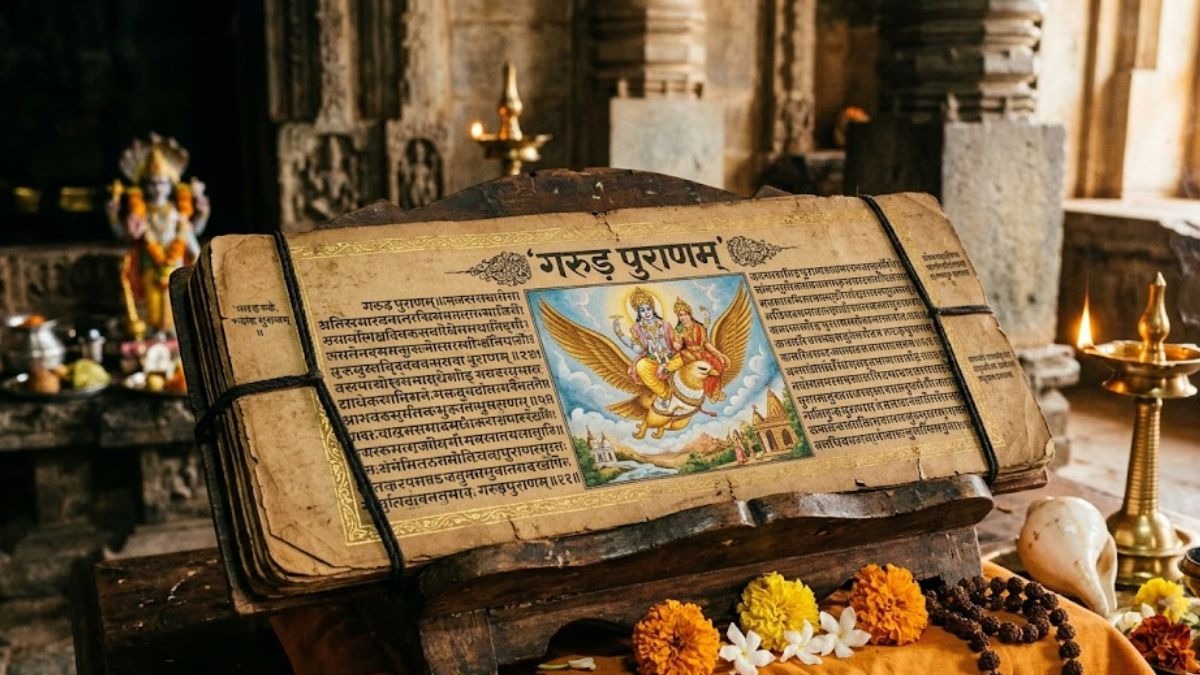
According to the Garuda Purana, the primary right to perform last rites is traditionally vested in the closest male relatives, such as the son, grandson, or brother. Historically, the son held the exclusive right to perform the 'Mukhagni' (lighting the funeral pyre).
The Role of the Son-in-Law:
Traditionally, a son-in-law is not granted the right to perform these rites. This stems from ancient social and 'Gotra' (lineage) beliefs. In Hindu tradition, after 'Kanyadaan', a daughter is considered part of her husband's family and lineage. Consequently, the son-in-law is not regarded as part of the deceased's original family, leading to his exclusion from this specific religious duty.
Evolution of Traditions:
Modern society is witnessing a significant shift:
- Absence of Primary Heirs: In cases where a son or other close male relatives are unavailable, many communities and families now permit the son-in-law to perform the last rites, prioritizing the sentiment of the family over rigid adherence to custom.
- Empowering Women: The historical belief that last rites were too emotionally taxing for women is also fading. Today, many daughters are actively performing the final rites for their parents, fulfilling their responsibilities with strength and devotion.
- Changing Dynamics: In many modern families, a son-in-law often plays the role of a son. As social norms evolve, there is an increasing push to reconsider and adapt these traditional rules to better reflect contemporary family structures.